
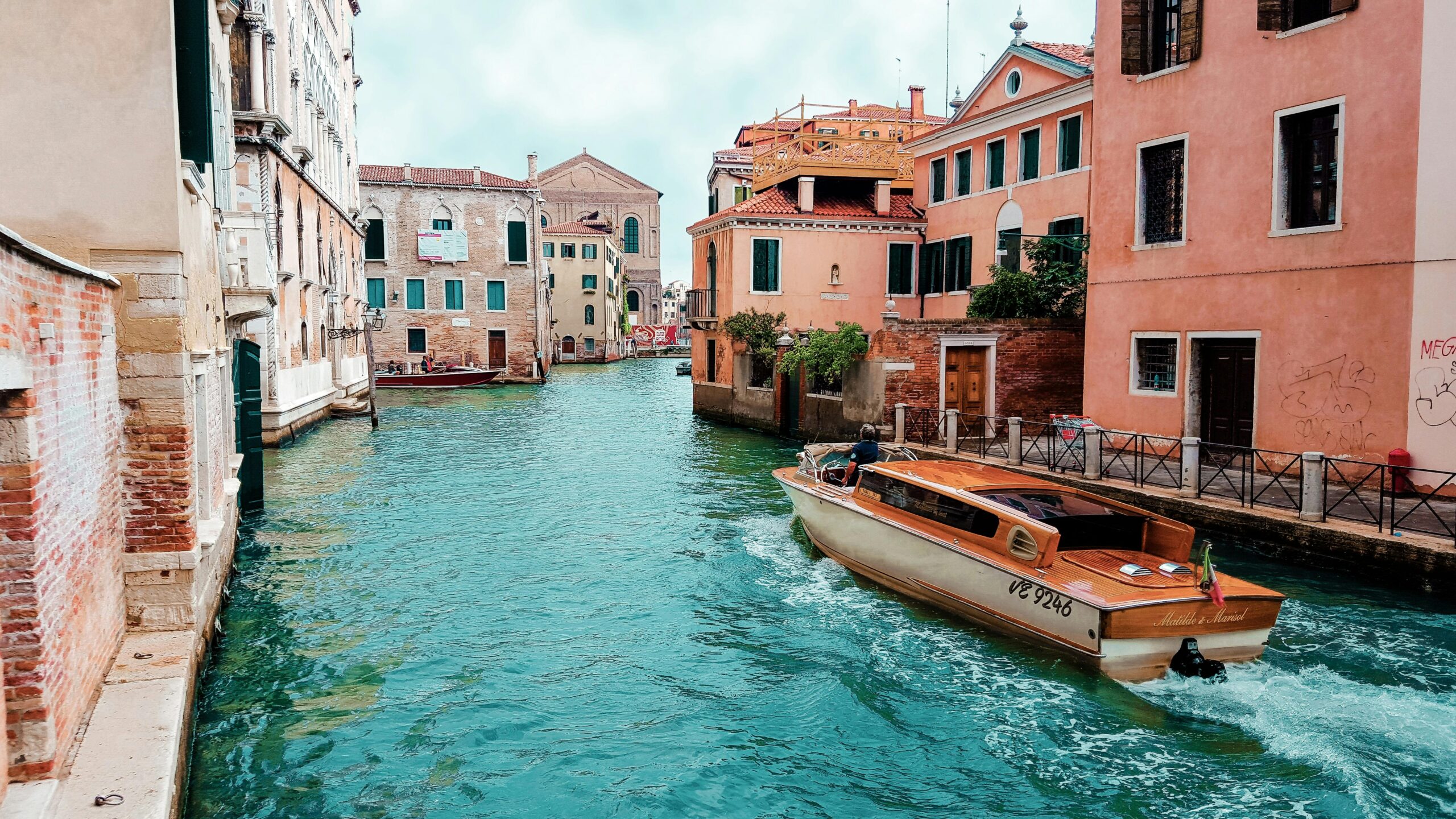
Italy 7 Days Itinerary: The Complete Local Insider Guide
Seven days in Italy. It sounds generous until you open a map.
Rome, Florence, Venice, Amalfi, the lakes, Tuscany, Puglia, the Dolomites. Every region has ten must-sees, and the internet is happy to tell you to "do it all." Spoiler: you can’t. And you shouldn’t.
This is a 7 days Italy itinerary written the way a friend who actually lives here would write it — realistic pacing, trains that exist, restaurants that locals go to, and a couple of mornings where you’re allowed to do nothing except drink coffee in a piazza. No filler, no tourist traps labeled as "hidden gems."
If you want to skip straight to a version personalized for your travel dates, budget, and interests, Aitinery’s AI travel planner can build one in about a minute. But first, here’s the structure that works.
Before we start: the one rule about Italy in a week
Pick a spine, not a list.
Most "Italy in 7 days" articles online try to cram Rome + Florence + Venice + a coast + a village. That’s not an itinerary, it’s a slideshow. You’ll spend half your trip on trains and half of your "day in a city" looking for your next hotel.
The better frame: choose a spine of 2–3 bases and radiate from them. You unpack once or twice, not five times. You arrive at each destination with enough time to eat dinner there, not just see the main square and leave.
Three spines work exceptionally well for first-timers:
- Classic Triangle: Rome → Florence → Venice (culture + art + architecture, maximum postcard density)
- Slow South: Rome → Amalfi Coast → back (slower, food-forward, fewer museums, more sea)
- Lakes & North: Milan → Lake Como → Venice (cinematic landscapes, design, and canals)
We’ll build the Classic Triangle below because it’s the most requested. At the end, we’ll show what changes if you pick the others.
The Classic Triangle: your 7 days at a glance
| Day | Base | What you do |
|---|---|---|
| 1 | Rome | Arrive, Trastevere dinner, early bed |
| 2 | Rome | Ancient Rome + Trevi + aperitivo |
| 3 | Rome | Vatican morning, afternoon train to Florence, Oltrarno dinner |
| 4 | Florence | Uffizi + Duomo climb + sunset Piazzale Michelangelo |
| 5 | Florence | Half-day Siena or San Gimignano (Tuscan countryside) |
| 6 | Venice | Morning train to Venice, slow afternoon, dinner in Cannaregio |
| 7 | Venice | Murano/Burano + departure |
Three cities, two trains, zero chaos. Let’s break it down.
Day 1 — Rome: Landing soft
Your flight probably lands at Fiumicino. Take the Leonardo Express train to Termini (€14, 32 minutes). Do not take a white unmarked "taxi" — stand in the official taxi line, fixed €55 to central Rome, done.
Drop your bags, resist the urge to power through. Italy punishes jet-lag heroes.
Afternoon (if you have energy): walk to the nearest piazza and sit. Campo de’ Fiori is good if you’re south-central. Get a coffee, people-watch. This is not wasted time — this is the baseline you need to enjoy the next six days.
Dinner: cross the river to Trastevere. It’s touristy now, yes, but still the best introduction to Roman food if you know where to go. Skip the places with multilingual menus on laminated cards. Try Da Enzo al 29 (reserve 3–4 weeks ahead) or Flavio al Velavevodetto (in Testaccio, 15 minutes by taxi from Trastevere, more authentic). Order cacio e pepe, carbonara, or amatriciana. Not all three — one, properly.
Local tip: Romans eat dinner at 20:30 or later. Restaurants that open at 18:30 are aimed at tourists. If you’re hungry early, do aperitivo — a spritz and snacks at a bar counter, €8–12, holds you until a proper dinner.
Day 2 — Rome: Ancient Rome day
This is a walking day. Eight to ten kilometers, so wear real shoes, not flip-flops you bought yesterday.
Morning (8:00–12:30): Colosseum + Roman Forum + Palatine Hill. Book the combined ticket online at least 3 weeks ahead, specifically the 8:30 or 9:00 slot. Mid-day queues are punishment. Budget 3.5 hours for all three sites.
Lunch: near Monti (the neighborhood just north of the Forum). Try La Taverna dei Fori Imperiali for a proper sit-down lunch, or grab a slice of pizza al taglio from La Boccaccia if you want to save time. Pizza by the slice is weighed — you pay by weight, which confuses first-timers. Just point at what you want and say "questo, così" (this much).
Afternoon (14:30–17:30): Pantheon → Piazza Navona → Trevi Fountain, in that order. This route flows naturally and is mostly pedestrian. The Pantheon is free to enter but now requires online booking (€5 weekdays). The Trevi Fountain at 17:00 is a crowd; come at 22:00 if you want atmosphere, or just accept the crowd.
Aperitivo (18:30): pick a rooftop. Terrazza Borromini overlooks Piazza Navona, Hotel Raphael has a panorama, or for something cheaper, Freni e Frizioni in Trastevere is a classic. A spritz, some chips, sunset. This is the moment you realize you’re actually in Italy.
Dinner: lighter than last night. Try Pianostrada (contemporary Roman, small plates, Trastevere) or Armando al Pantheon if you didn’t book Trastevere again. Both need reservations.
Day 3 — Rome: Vatican morning, Florence evening
Morning (7:30–12:00): Vatican Museums + Sistine Chapel + St. Peter’s. This is non-negotiable on early-morning timing. Book the 7:30 entry (available on the official Vatican site or through Tiqets). You’ll have the Raphael Rooms and Sistine Chapel almost to yourself for the first hour. By 10:30, it’s a conveyor belt.
After the Museums, walk down to St. Peter’s (free to enter, optional climb to the dome — €10, cardio). Skip the basilica tour guides with earpieces; the basilica is self-evident.
Lunch near Vatican: Prati neighborhood. Pizzarium by Gabriele Bonci for a pizza al taglio masterclass. This is not a sit-down place — you eat standing or walking.
Afternoon — train to Florence: Trains leave Termini every 30 minutes. Frecciarossa or Italo, 1h 30m, €40–80 depending on how early you book. Book on Trenitalia.com or Italotreno.it directly — third-party booking sites charge fees and make refunds impossible.
Arrive Florence by 17:00. Hotel check-in, short break.
Evening — Oltrarno dinner: Oltrarno is Florence’s "across the river" neighborhood — less touristy, more locals, better food. Try Trattoria Sabatino (simple Tuscan, cash only, 1950s vibe) or Il Santo Bevitore (smarter, reserve). Walk across Ponte Santa Trinita after dinner for a postcard view of Ponte Vecchio lit up.
Day 4 — Florence: Art and altitude
Morning (8:15): Uffizi Gallery. Book the first slot, seriously. The line by 10:00 is two hours. With a pre-booked ticket you walk straight in. Budget 3 hours inside. Skip the audio guide and use the Uffizi’s own free app, which is genuinely good.
Lunch: a quick stop near Piazza della Signoria. All’Antico Vinaio is the famous one for sandwiches — expect a line, it moves fast, and a schiacciata sandwich is €7 and the size of your forearm. Worth it once.
Early afternoon — Duomo + climb: the Brunelleschi Dome climb is the best thing you’ll do in Florence. 463 steps, narrow at the top, and when you emerge you understand why everyone lost their mind over this building for 600 years. Book a specific time slot (usually 14:00 or 15:30) in advance. The combined "Duomo pass" gives you the cathedral, dome, baptistery, and bell tower.
Late afternoon — Oltrarno art shops: Florence’s left bank still has artisan workshops. Walk the streets around Santo Spirito and Borgo San Frediano. Leather, bookbinding, gold leaf — real craftspeople, not tourist fronts.
Sunset — Piazzale Michelangelo: 20 minutes uphill walk from the center or a 10-minute bus. Get there 30 minutes before sunset. A bottle of wine from a nearby market, sitting on the stone steps, watching Florence turn gold. Free, and better than any paid tour.
Dinner: you’ll be tired. Trattoria Mario (lunch only, miss it) or Trattoria ZaZa if you want easy and atmospheric. Or honestly, a pizza at Gusta Pizza in Oltrarno and early bed.
Day 5 — Florence: Tuscany half-day
Today is a reset from city density. Rent a car (or better — don’t drive, take a small group tour or train).
Option A — Siena by train (easiest): 1h 30m by bus from Florence SMN station (Tiemme bus, €9). Piazza del Campo, duomo, lunch on a narrow street. Back in Florence by 18:00. Low-effort, high-reward.
Option B — San Gimignano + Chianti via small tour: pre-booked half-day tours run from Florence (~€60–90, 5–7 hours). You see the medieval towers of San Gimignano and do a wine tasting at a Chianti vineyard. Pre-book.
Option C — Val d’Orcia road trip (if you drive): the postcard cypresses, Pienza, Montepulciano. 4–5 hours driving total, very cinematic. Rent a small car, avoid ZTLs (city zones where driving is banned and fined — €80+ per accidental entry).
Evening — back in Florence: you’ve earned a slow dinner. Osteria Vecchio Cancello or Trattoria Cammillo are classic choices.
Day 6 — Venice: Arriving by water
Train Florence → Venice, 2h, €30–60. Frecciarossa goes directly to Venezia Santa Lucia station (do not stop at Venezia Mestre — that’s the mainland).
Step out of the station. The Grand Canal is right there. This is the one arrival that deserves the moment. Take ten seconds and look.
Getting around: Venice has no cars. You walk, or take a vaporetto (water bus). A 24-hour vaporetto pass is €25, a 48-hour pass is €35. If you’re staying only overnight, the 24h pass is enough.
Early afternoon — slow wander: drop bags, then walk (not vaporetto) from your hotel toward San Marco via any non-direct route. Getting mildly lost in Venice is not a problem — it is the activity. Every wrong turn is a better photo than the correct one.
Late afternoon — St. Mark’s Basilica: free to enter, but book a "skip the line" slot (€3) to skip the hour queue. Inside, look up. The gold mosaics cover 8,000 square meters of ceiling. It’s the single most overwhelming interior in Italy, and you can do it in 25 minutes.
Optional add-on: Doge’s Palace next door. If you like history, it’s worth the €30. If you don’t, skip it — Venice itself is the museum.
Aperitivo — Cannaregio district: walk 15 minutes north-west from San Marco into Cannaregio. It’s where Venetians actually live and drink. Try Cantina Do Spade or Al Timon (on the Fondamenta Ormesini). A glass of wine is €3, a plate of cicchetti (Venetian tapas) is €8. This is peak Venice.
Dinner: Osteria alle Testiere (tiny, reserve weeks ahead) or Estro (excellent wine + contemporary Venetian). Both in Cannaregio / San Polo area.
Day 7 — Venice: Islands and departure
Your flight is probably late afternoon or evening. Use the morning well.
Morning — Murano or Burano: vaporetto 12 to Burano (45 minutes each way) is the better choice if you only pick one. Burano is where the candy-colored fishermen’s houses are. Murano is glass-making — interesting once, but Burano is photogenic in a way few places are.
Late morning — back to San Marco area: a final spritz in a piazza. Buy coffee beans or a bottle of olive oil from Rialto Market (closes early — go before 13:00).
Departure: Venice airport (Marco Polo) is on the mainland. From Piazzale Roma, take the ATVO bus (€10, 20 minutes) or the Alilaguna water bus (€15, 75 minutes, far more scenic but tight on time). Budget 3 hours from hotel to gate if you’re flying international.
What changes if you pick Slow South or Lakes & North
Slow South (Rome + Amalfi Coast)
Days 1–3 in Rome as above, then:
- Day 4: train Rome → Salerno (1h 30m), bus to Amalfi town
- Day 5: Amalfi town, explore the Duomo and coastline
- Day 6: day trip to Ravello (hilltop gardens) or Positano (most photographed)
- Day 7: return train from Salerno → Rome FCO airport
Slower, sunnier, far less museum time. Best April–October. The Amalfi Coast in January is beautiful but half the restaurants are closed.
Lakes & North (Milan + Como + Venice)
- Days 1–2: Milan (Duomo, Last Supper reservation, Navigli aperitivo, a proper Italian coffee crawl)
- Day 3: train Milan → Varenna (Lake Como), lake arrival day
- Days 4–5: Varenna + Bellagio + boats between villages. Lazy mornings, long boat rides.
- Day 6: train Como → Venice (4h), afternoon arrival
- Day 7: Venice fast + departure
This itinerary is ~20% more train time than Classic Triangle, so it suits travelers who prefer landscapes and villages over cities. Also the best option if you’re visiting in May or October — peak lake shoulder season.
Common mistakes to avoid
A few patterns we see repeatedly when people plan an Italy itinerary themselves:
Trying to fit 5+ cities in 7 days. Every additional city costs you a full half-day in transit + checkout + check-in friction. After city #3, you stop remembering which one you’re in.
Booking a "day trip to Capri" from Amalfi. Capri from Amalfi is a 3-hour roundtrip boat. You’ll see Capri for 2 hours, from a crowd. Either stay a night on Capri or skip it.
Eating near the main sights. A rule that works 95% of the time: walk 10 minutes in any direction away from a major landmark before sitting down to eat. The quality goes up and the price drops by 30%.
Scheduling a museum the day of arrival. You’ll be jet-lagged and grumpy, and you’ll hate the museum. Front-load arrival days with walks and coffee, back-load them with the real stuff.
Overlooking the ZTL problem. If you rent a car, Italian city centers are closed to non-resident vehicles. Driving into a ZTL (Zona Traffico Limitato) generates an €80+ fine that arrives months later. Park outside the city and walk in. Always.
A word about timing and season
April–May: near-perfect weather, moderate crowds, flowers everywhere. Best overall.
June–August: hot (especially in Rome — 35°C is standard), very crowded, higher prices. Fine for coastal trips, hard work for cities.
September–October: peak shoulder season. Grape harvest in Tuscany, warm sea still, quieter.
November–March: low season. Rome is mild, Venice atmospheric, Florence is empty, but coastal regions are mostly shut. Great value, limited seasonal food, shorter days.
How to personalize this in 60 seconds
The itinerary above is a strong default. It breaks only when your constraints are non-standard — traveling with kids under 8, mobility limitations, specific food requirements, a tight budget under €100/day, or niche interests (hiking in the Dolomites, opera in Verona, wine in Barolo).
That’s exactly where an AI travel planner earns its keep. Plug in your dates, pace preferences, and interests, and Aitinery rebuilds the whole thing in about a minute — with restaurant suggestions, train times that actually exist, and pacing that matches your energy rather than a generic template.
You don’t have to trust the output blindly. Aitinery gives you a day-by-day itinerary with the reasoning behind each choice, so you can see why it’s suggesting Siena instead of Pisa, or a morning Vatican slot instead of afternoon. Edit anything, swap anything, save it as a PDF, share it with your travel companion. That’s the whole product.
Seven days is enough for Italy to change how you think about meals, cities, and slowness. Plan the spine, leave room for serendipity, and don’t skip dinner.
Ready to build your own version? Start your Italy itinerary with Aitinery — free, no signup wall, and genuinely useful from the first click.