
Three days in Rome is the sweet spot. Less and you’ll scratch the surface. More and you’ll burn out in museum queues. This itinerary is built the way someone who actually lives here would plan it for a friend — no "dawn-to-midnight" marathons, no tick-box tourism, and a few honest shortcuts that most guides miss.
If you’re planning a longer trip, we also have a full Italy 7 Days Itinerary that places Rome inside a wider loop. But if Rome is the main act, keep reading.
Why Rome deserves 3 days — not more
Rome is not a city you "finish." Pick three days and commit to depth over breadth. On day one you see why everyone comes here. On day two you see why everyone comes back. On day three you start to feel the city instead of photograph it.
Trying to pack in a fourth day usually means one of two things: a rushed Tivoli or Castel Gandolfo detour that deserves its own trip, or an extra museum that eats a whole afternoon. Save it. Rome is better in layers, on repeat visits, than in one exhausting week.
Day 1: Ancient Rome without the sweat
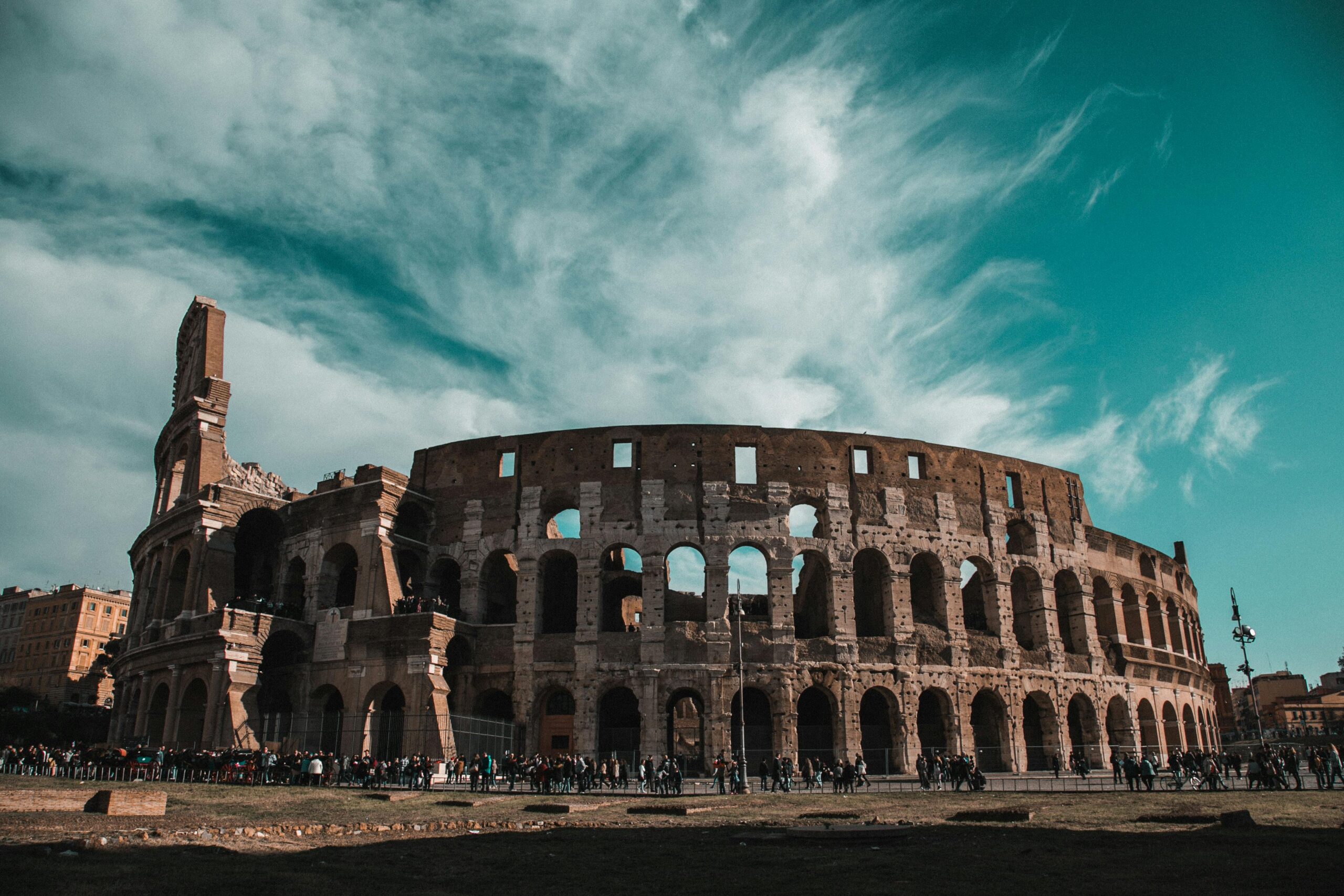
Start at the Colosseum. But — and this is the part most guides bury — book the first entry slot of the day, ideally 8:30 or 9:00. The ticket is slightly cheaper, the crowds haven’t formed, and the morning light on the travertine is genuinely worth a photo.
Your combined Colosseum + Roman Forum + Palatine Hill ticket is valid 24 hours across all three sites, so you don’t need to do them back-to-back. Most tourists do. Don’t.
The pacing that works
- 9:00–10:30 — Colosseum. Skip the guided tour if you’ve read anything about Roman history in the last ten years; the audio guide is enough. Do spring for the arena floor access upgrade if it’s your first visit — standing where the gladiators fought is a different thing from looking down from the tiers.
- 10:45–11:30 — Walk up the Palatine Hill. This is where Rome actually started, and it’s usually 60% emptier than the Forum below. The view from the Stadium of Domitian is one of the best in the city.
- 11:45–13:00 — Roman Forum. Enter from the Palatine side (it’s the same ticket), go slowly, and resist the urge to identify every stone. The House of the Vestal Virgins and the Temple of Antoninus and Faustina are the ones worth lingering on.
- 13:00–14:30 — Lunch break. Walk ten minutes uphill to Monti, the neighborhood between the Forum and Termini. Skip the places on Via Cavour; turn into Via del Boschetto or Via Urbana and pick one of the smaller trattorias. La Carbonara on Via Panisperna is the classic move for a carbonara that isn’t a tourist parody.
- 15:00–17:00 — Afternoon to Capitoline Museums + Piazza del Campidoglio. The Michelangelo piazza is free; the museums are paid but genuinely world-class and never as crowded as the Vatican.
- 18:00 onwards — Trevi Fountain just before sunset, when the light hits the travertine. Then aperitivo in Piazza della Rotonda (the Pantheon square), even if the drinks are a euro more. It’s worth it once.
Local insider note
The Forum has a secondary entrance on Via di San Gregorio, the one with the arch. It almost never has a line compared to the Fori Imperiali main entrance. Your ticket works there too — nobody tells you this.
Day 2: Vatican, then Trastevere
The Vatican is the hardest single day to get right. Most itineraries give you two hours and a panic attack. We’re giving you the morning and setting a hard stop.
The Vatican tip nobody posts on Instagram
Forget the "skip-the-line" resellers. The real move is booking the Scavi Tour — the underground excavation of St. Peter’s Basilica, including the tomb of St. Peter himself. It’s run by the Vatican’s own Excavations Office, only 250 visitors per day, and you have to email them at least 60 days ahead. The tour is ~€13, small group, and you walk through 2,000 years of history under the basilica. Most American tourists have never heard of it.
If 60 days ahead is too much advance planning, the Wednesday morning papal audience is the other move — free tickets from the Prefettura, and you’re inside St. Peter’s Square with the Pope before 9:30 a.m.
A realistic Vatican pacing
- 8:00–8:30 — Arrive at the Vatican Museums with a pre-booked ticket. Don’t try walk-up; you’ll lose two hours of your life.
- 8:30–12:00 — Museums. The honest shortcut: go straight to the Sistine Chapel via the "unofficial" route through the Pinacoteca and the Borgia Apartments. It’s longer in distance but skips the densest crowds. Give the Raphael Rooms their proper time — they’re as good as the Sistine and half as packed.
- 12:30–13:30 — St. Peter’s Basilica (free). Climb the dome if your knees allow (€10, 551 steps); the view is the single best panorama of Rome.
- 13:30–14:30 — Lunch in the Borgo Pio district, the grid of streets just east of the Vatican walls. Il Sorpasso is the reliable pick for the Roman-Italian standards.
Hard stop at 15:00. Walk south across the river.
Afternoon: Trastevere slowly
Trastevere is Rome’s soul, compressed. The afternoon plan is simple: wander, coffee, church, wander.
- Santa Maria in Trastevere — the 12th-century mosaics in the apse are more moving in person than in any photograph.
- Viale Glorioso steps and the Gianicolo Hill — 20 minutes uphill for a panorama of Rome that 90% of tourists miss because it’s on the "wrong" side of the river.
- Aperitivo around Piazza Trilussa from 18:30. Skip the first two bars on the square (tourist-priced); walk one street in for the real spots.
- Dinner — book Da Enzo al 29 if you can (they don’t always take reservations; arrive by 19:00 for a walk-in). Otherwise Sette Oche or Da Teo — both favor locals over TripAdvisor.
Day 3: The Rome locals actually walk in
Day 3 is where most itineraries fall apart. They push you to Ostia Antica or Tivoli — both excellent, but each one eats the whole day and you don’t feel Rome anymore. We’re keeping you in the city, in the parts visitors rarely see.
Morning — Appia Antica + catacombs
The Via Appia Antica is a 2,000-year-old road, still paved in its original basalt stones, running south from Rome. It’s a regional park. Rent a bike or join a small group tour.
Pair it with one of the three catacombs (San Callisto, San Sebastiano, or Domitilla) — any one is enough. San Callisto is the biggest and includes a proper archaeological narrative. The bus #118 from Circo Massimo drops you right at the gate.
Budget: 4 hours including the bus both ways.
Midday — Aventine Hill and the keyhole
From Circo Massimo, walk up the Aventine Hill. This is where the Romans who ran the empire lived; today it’s the quietest, greenest, most underrated residential neighborhood in the center.
Three stops, in this order:
- Giardino degli Aranci (the Orange Garden) — free, panoramic, with one of the best views of St. Peter’s dome framed by orange trees.
- Santa Sabina — a perfectly preserved 5th-century basilica, mostly empty, wooden doors with one of the oldest carved Crucifixion scenes in Christian art.
- The Keyhole at the Piazza dei Cavalieri di Malta — the famous peephole through the Knights of Malta gate that frames St. Peter’s dome through a tunnel of hedges. Yes, there’s sometimes a small line. It’s weirdly worth it.
Afternoon — Testaccio, the food neighborhood
Testaccio is where Romans eat. It’s a 15-minute walk downhill from the Aventine. The Testaccio Market (closed Sundays and most of Monday) is the reliable move for lunch: every stall is a family business, no restaurant markup, and you eat at communal tables with office workers on their break.
Don’t skip Mordi e Vai at the market — the allesso di bollito panino is a €5 meal most critics rank above €50 Roman dinners.
Afternoon: slow walk back toward Piazza Venezia via the Circo Massimo and the Bocca della Verità (yes, put your hand in, it’s fine).
Where to stay
The short version:
- Best for first-timers — Monti. Walking distance to the Colosseum and Termini, enough nightlife to feel alive, still residential enough to be real.
- Best for repeat visitors — Trastevere. You’ll walk 15 minutes more to get to ancient Rome, but you’re compensated by eating better every night.
- Best for families or early sleepers — Prati, the grid neighborhood north of the Vatican. Quiet, safe, walkable, and a Metro ride from everything else.
- Skip — the streets immediately around Termini. Yes, they’re cheaper. Yes, they’re hotel-factory zones. You’re in Rome; stay somewhere that feels like Rome.
How to get around
Walk. Rome is a small city by metro standards — the historic center is about 3 km across, and most of what you want to see is inside that square.
When walking doesn’t work:
- The Metro Line B (Colosseum, Termini, Piramide for Testaccio) is the useful one.
- Buses are reliable but slow because of traffic.
- Taxis from official ranks are fine. Uber in Rome only dispatches premium licensed cars — it works, but you’re paying 2–3× a taxi.
- Don’t rent a car. Don’t even think about it.
What to eat (and what to actually order)
Rome has four pasta dishes. Learn them before you order and you’ll eat better:
- Cacio e pepe — pecorino, black pepper, pasta water. That’s it. If it’s creamy, it’s wrong.
- Carbonara — guanciale, eggs, pecorino, pepper. No cream. Ever.
- Amatriciana — guanciale, tomato, pecorino, chili. Bucatini or rigatoni.
- Gricia — the "white Amatriciana": guanciale + pecorino, no tomato.
For pizza, Rome style is thin, crisp, charred at the edges. Pizzarium near the Vatican (by the slice, standing) and Ai Marmi in Trastevere (sit-down, whole pies) are the two reliably good moves.
For gelato, follow the "natural color" rule: if the pistachio is neon green and the banana is cartoon yellow, walk past. Look for pale, dusty colors. Gelateria del Teatro, Fatamorgana, Otaleg — all safe bets.
Mistakes tourists make in Rome
The list most guides won’t tell you:
- Eating anywhere with photos on the menu. This is a filter, not a snob rule. Real Roman trattorias do not need photos.
- Sitting down at Piazza Navona, Piazza di Spagna, or the Pantheon. The coffee is €7 and bad. Stand at the bar (€1.20) or walk one block.
- Tipping 20% American-style. In Italy, tipping is not expected. Rounding up or leaving €1–2 is generous. The "coperto" on your bill is the cover charge, not a service tip.
- Wearing flip-flops for the Vatican. Knees and shoulders covered. They will turn you away at St. Peter’s.
- Trying to do Rome + Tivoli + Ostia + Florence day-trip in a 3-day window. That’s a 6-day itinerary in disguise, and you’ll enjoy none of it.
Is 3 days enough for Rome?
For a first visit, absolutely. You’ll hit the iconic set (Colosseum, Vatican, Trevi, Pantheon, Trastevere), you’ll eat well in at least three neighborhoods, and you’ll leave with a shortlist of what to come back for.
Three days is not enough if you want to add day trips (Tivoli, Ostia Antica, Castel Gandolfo, or Orvieto), or if museums are your main thing (the Galleria Borghese alone deserves a half-day). In that case, push to 5 days.
If Rome is one stop in a broader Italian loop — which is usually the right call — pair it with Florence (2 days) and Venice (2 days) for the classic 7-day Italy itinerary. We’ve mapped that out in full: Italy 7 Days Itinerary: The Complete Local Insider Guide.
Plan your Rome trip the smart way
Every paragraph above is the kind of detail Aitinery’s AI itinerary planner surfaces automatically — the "book the Scavi 60 days ahead" trick, the San Gregorio entrance, the Testaccio market timing. We built it because pasting a dozen Reddit threads and blog posts into Notion is exhausting, and because Google gives you the loudest spots, not the right ones.
Generate your personalized Rome itinerary with Aitinery →
Going beyond Rome? The complete Italy 7-day itinerary adds Florence, Venice, and the local picks that most trip planners skip.