
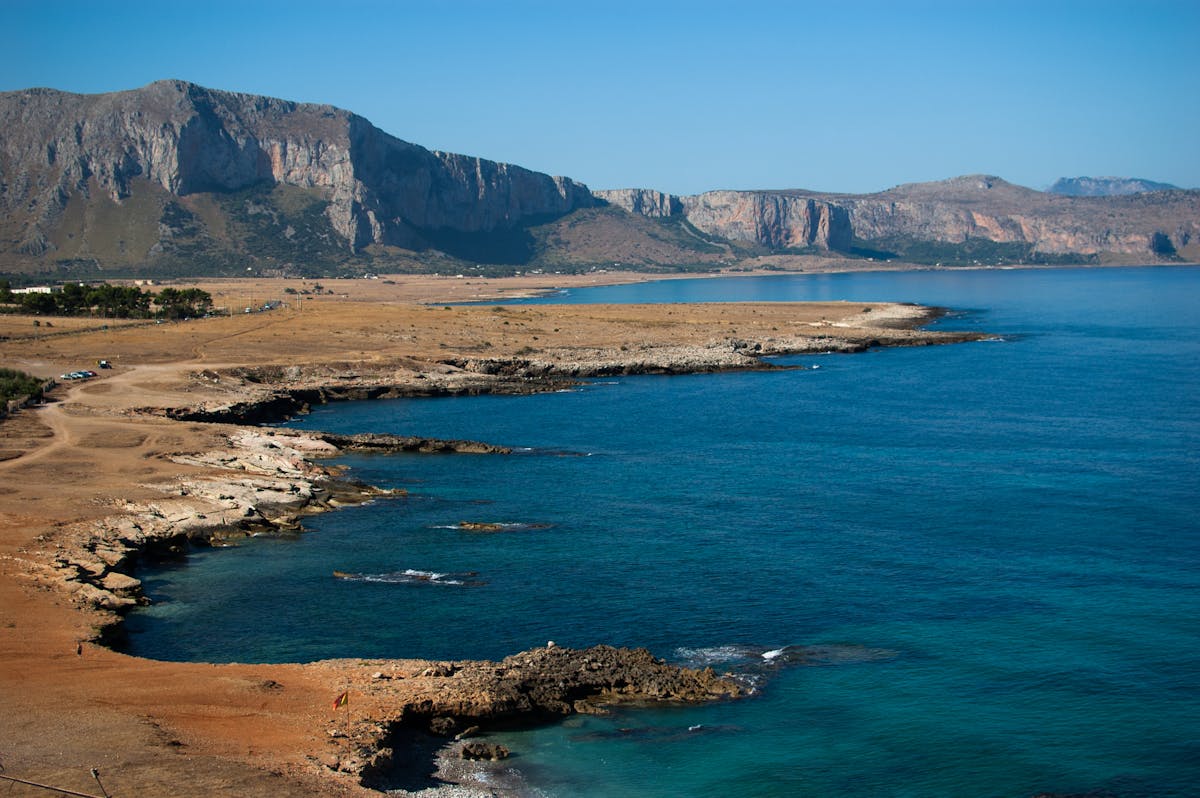
Why Sicily Deserves a Full Week
Sicily isn’t just another Italian island. It’s practically its own country — with a distinct cuisine, a complicated history involving Greeks, Arabs, Normans, and the Spanish, and a landscape that goes from active volcanoes to turquoise beaches within an hour’s drive. Cramming it into a weekend is like trying to eat a five-course Sicilian meal in ten minutes. Technically possible, but you’d miss the point entirely.
This 7-day itinerary covers the highlights without rushing. You’ll start in Palermo, work your way along the northern coast to Cefalù, cut across to Taormina and Mount Etna, then explore the baroque southeast — Syracuse, Noto, and Ragusa. It’s designed for first-timers, but even if you’ve been before, there’s enough local detail here to make it feel fresh.
One important note: Sicily is best explored with a car. Trains connect the major cities (Palermo to Catania is about 3 hours, Catania to Syracuse is 70 minutes), but the most memorable spots — the hilltop towns, the hidden beaches, the countryside agriturismi — are only reachable by road. Rental cars are affordable, and the driving is… an experience. In a good way. Mostly.
Day 1-2: Palermo — Street Food, Markets, and Organized Chaos
Fly into Palermo and let the city hit you. It’s loud, chaotic, beautiful, and a little rough around the edges — which is exactly why it’s one of the most authentic cities in Italy. No polished tourist veneer here.
What to do
Start at the Ballarò market in the morning, when it’s at its most alive. Vendors shouting prices, fish still glistening, pyramids of blood oranges. This isn’t a market for tourists — it’s where Palermitani actually shop. Walk through slowly and eat as you go.
Hit the big sights: the Palazzo dei Normanni with its jaw-dropping Cappella Palatina (Arab-Norman mosaics that rival anything in Ravenna), the Cathedral, and the Quattro Canti intersection. Then get lost in the backstreets of the Kalsa neighborhood — the street art, the crumbling palazzi, the unexpected piazzas.
On day 2, take a morning trip to the Cathedral of Monreale, about 20 minutes uphill from Palermo. The 6,340 square meters of gold mosaics inside are genuinely breathtaking. Back in town, explore the Capo market and the Vucciria for a different vibe.
What to eat
This is where Sicily gets serious. Palermo is Italy’s street food capital, and nothing here costs more than €5:
Arancini — fried rice balls stuffed with ragù, mozzarella, and peas. Every bar has them. The ones at Ke Palle near Teatro Massimo are excellent. Panelle — chickpea fritters served in a sesame bread roll (pane e panelle). Simple, perfect. Sfincione — Palermo’s answer to pizza: thick, spongy, topped with onion, tomato, anchovies, and breadcrumbs. Pani ca meusa — the famous spleen sandwich. Sounds intimidating, tastes incredible. Try it at Antica Focacceria San Francesco.
For dinner, skip the waterfront tourist restaurants. Head to Trattoria Ai Cascinari in the Ballarò area for pasta con le sarde (sardines, fennel, pine nuts, raisins — the dish that defines Sicilian cuisine).
Where to stay
The Kalsa or La Vucciria neighborhoods put you in the heart of the action. Budget: €60-100 for a well-reviewed B&B.
Day 3: Cefalù — The Beach Day You’ve Earned
Drive east along the coast to Cefalù (about 70 minutes, or 1 hour by train from Palermo). This medieval fishing town is what happens when a postcard comes to life — a Norman cathedral towering over a crescent beach, pastel houses reflected in clear water, and narrow streets filled with ceramic shops and gelaterias.
What to do
Beach first. Cefalù’s main beach is sandy, clean, and has the dramatic La Rocca cliff as a backdrop. Swim in the morning when it’s less crowded. After lunch, climb La Rocca — it’s about 45 minutes to the top, and the panoramic view of the town and coastline is worth every step.
Visit the Duomo (another Arab-Norman masterpiece — notice a pattern?) and wander the medieval washhouse, the Lavatoio Medievale, hidden beneath street level. It’s one of those random details that makes Sicily endlessly interesting.
What to eat
Seafood, obviously. Spaghetti ai ricci di mare (sea urchin pasta) if it’s in season. Granite with brioche for breakfast — this is the Sicilian way. The granita here is made with real fruit, not syrup. Lemon or almond are the classics.
Day 4: Cefalù to Taormina (via the Madonie or Coast Road)
The drive from Cefalù to Taormina is about 2.5 hours on the A20 highway, but if you have time, detour through the Madonie mountains. Castelbuono is a charming hilltop town with a 14th-century castle and a famous pastry shop (Fiasconaro) that makes panettone shipped worldwide. Gangi, a few minutes further, was named one of Italy’s most beautiful villages — and it’s almost completely tourist-free.
Taormina
Taormina is Sicily’s most famous resort town, perched on a cliff above the Ionian Sea with Mount Etna as a backdrop. Yes, it’s touristy. Yes, the prices are higher than the rest of Sicily. But the Greek Theatre with its Etna view is genuinely spectacular, and the town’s position is unbeatable.
Walk the Corso Umberto (the main street), visit the Greek Theatre in the late afternoon for the best light on Etna, and take the cable car down to Isola Bella — a tiny island connected to the beach by a thin strip of sand. The snorkeling here is some of the best on the east coast.
What to eat
Taormina is pricier, but Trattoria Da Nino (off the main drag) serves honest Sicilian food at fair prices. Try the pasta alla norma — Sicily’s signature pasta with eggplant, tomato, ricotta salata, and basil. Named after Bellini’s opera, because Catanians thought it was that good.
Day 5: Mount Etna — Europe’s Tallest Active Volcano
Etna dominates eastern Sicily. At 3,357 meters, it’s Europe’s tallest active volcano — and it erupts regularly, which somehow makes it more appealing rather than less. A day on Etna is one of the most memorable experiences in all of Italy.
What to do
Drive up (or take a bus from Catania) to the Rifugio Sapienza at 1,900 meters. From there, you can take the cable car to 2,500 meters, then a 4×4 shuttle to 2,900 meters. The moonscape up here is surreal — black lava fields, sulfur vents, and views that stretch to the coast.
For a more authentic experience, hire a local guide and hike the Sartorius Craters on the north side. Fewer crowds, ancient birch forests growing on lava flows, and a quieter, more contemplative side of the volcano.
On the way down, stop in one of the villages on Etna’s slopes — Zafferana Etnea or Nicolosi — for lunch. The volcanic soil produces exceptional wine (Etna DOC, especially the Nerello Mascalese reds) and pistachios from nearby Bronte that are considered the best in the world.
Practical tip
Weather at the summit is unpredictable. Bring layers even in summer — it can be 15°C colder than the coast. Sturdy shoes are essential on the lava terrain.
Day 6: Syracuse and Ortigia — Where Greek Ruins Meet Baroque Beauty
Drive south to Syracuse (about 1.5 hours from Taormina, or take the train via Catania — total about 2.5 hours). Syracuse was once the most powerful city in the Greek world — larger than Athens. Today it’s two experiences in one: the archaeological park on the mainland and the island of Ortigia, the historic center.
What to do
Morning: visit the Parco Archeologico della Neapolis. The Greek Theatre (still used for performances in summer), the Ear of Dionysius (a limestone cave with insane acoustics), and the Roman amphitheatre. It’s less crowded than Pompeii and arguably more atmospheric.
Afternoon: cross the bridge to Ortigia. This tiny island is pure magic — baroque churches, the Temple of Apollo (one of the oldest Doric temples in Sicily), the Piazza Duomo (built literally on top of a Greek temple), and the Fonte Aretusa, a freshwater spring right by the sea where papyrus grows wild.
Wander without a plan. Ortigia’s backstreets reveal hidden courtyards, tiny restaurants, and views of the harbor that stop you in your tracks.
What to eat
The Ortigia market (open mornings) is smaller than Palermo’s but equally vibrant. Try the raw sea urchin if you’re brave. For dinner, Sicilia in Tavola on Via Cavour does a perfect spaghetti allo scoglio (mixed seafood pasta) at honest prices.
Day 7: Val di Noto — Baroque Towns and Sweet Endings
Your last day is a road trip through the Val di Noto, a cluster of baroque towns rebuilt after the devastating earthquake of 1693. They’re all UNESCO World Heritage Sites, and they’re all stunning.
Noto
The baroque capital. The Corso Vittorio Emanuele is lined with honey-colored limestone buildings that glow golden at sunset. The Cathedral, the Palazzo Ducezio, the balconies of Palazzo Nicolaci — it’s architecture as spectacle. Visit the Caffè Sicilia for what many consider the best granita and cannoli in all of Sicily. The owner, Corrado Assenza, has been called the best pastry chef in Italy.
Ragusa Ibla
If you have time, drive 40 minutes southwest to Ragusa Ibla. It’s a town that cascades down a hillside, with the Duomo di San Giorgio at the bottom. Less visited than Noto, more local, and arguably more photogenic. The views from the Giardino Ibleo are the kind that make you consider never going home.
Modica
Between Noto and Ragusa, stop in Modica for the chocolate. Modica chocolate is made using an ancient Aztec technique (brought by the Spanish) — cold-processed, grainy, intense. The Antica Dolceria Bonajuto has been making it since 1880. Buy some for the flight home.
End of trip
If flying out of Catania, it’s about 1.5 hours from Noto or Ragusa back to the airport. If you have a late flight, stop in Catania itself for a final arancino at Pasticceria Savia — the locals’ favorite since 1897.
Sicily Budget Breakdown
Sicily is one of the most affordable destinations in Western Europe. Here’s a realistic daily budget for two people:
Budget traveler (€80-120/day for two): B&Bs, street food lunches, one sit-down dinner, public transport or shared car.
Mid-range (€150-250/day for two): 3-star hotels, rental car, restaurant lunches and dinners, museum entries.
Comfort (€300+/day for two): Boutique hotels, guided experiences, fine dining.
Train fares are fixed year-round: Palermo-Catania €13.50, Catania-Syracuse €7.50. Street food in Palermo runs €2-5 per item. A full seafood dinner for two in Ortigia or Cefalù: €40-60 with wine.
When to Go
Sicily’s peak season is July-August, when temperatures hit 35-40°C and beaches are packed. The sweet spots are May-June and September-October — warm enough to swim, cool enough to explore, and significantly fewer crowds. Spring brings wildflowers across the countryside and almond blossoms in the Val di Noto.
April is a solid choice too, especially for 2026: pleasant temperatures around 18-22°C, manageable crowds, and lower prices across the board.
Getting Around: Car vs. Public Transport
A rental car gives you the most flexibility and is the best way to see the hilltop towns, hidden beaches, and countryside. Expect to pay €30-50/day. Driving in cities (especially Palermo) can be intense, but the highways are well-maintained and the countryside roads are scenic.
If you prefer not to drive, the eastern route (Catania-Taormina-Syracuse) is well-served by trains. Palermo-Cefalù is an easy 1-hour train ride. The gaps are in the interior and the baroque southeast — buses exist but are infrequent.
Plan Your Sicily Trip with AI
This itinerary is a great starting point, but every trip is different. Maybe you want more beach time and less baroque architecture. Maybe you’re traveling with kids and need a different pace. Maybe you spotted a hidden cove on TikTok and want to work it into your route.
That’s exactly what Aitinery is built for. Our AI generates personalized day-by-day itineraries for Italy, with local recommendations, realistic timing, and transport details. You can even import places from social media directly into your trip plan.
Want a personalized version of this itinerary? Aitinery generates AI-powered itineraries tailored to your style. Try it free at aitinery.com.